We talk
You tell me about your space, your household and what you'd love to grow.

Vegetable Gardens, Designed To Be Loved
Lemonleaf Gardens is my Johannesburg design studio for edible gardens — kitchen gardens, vegetable beds, herb corners and fruit-tree plantings, all designed the way a garden should be: with as much thought given to how it looks as to what it grows.
The Philosophy
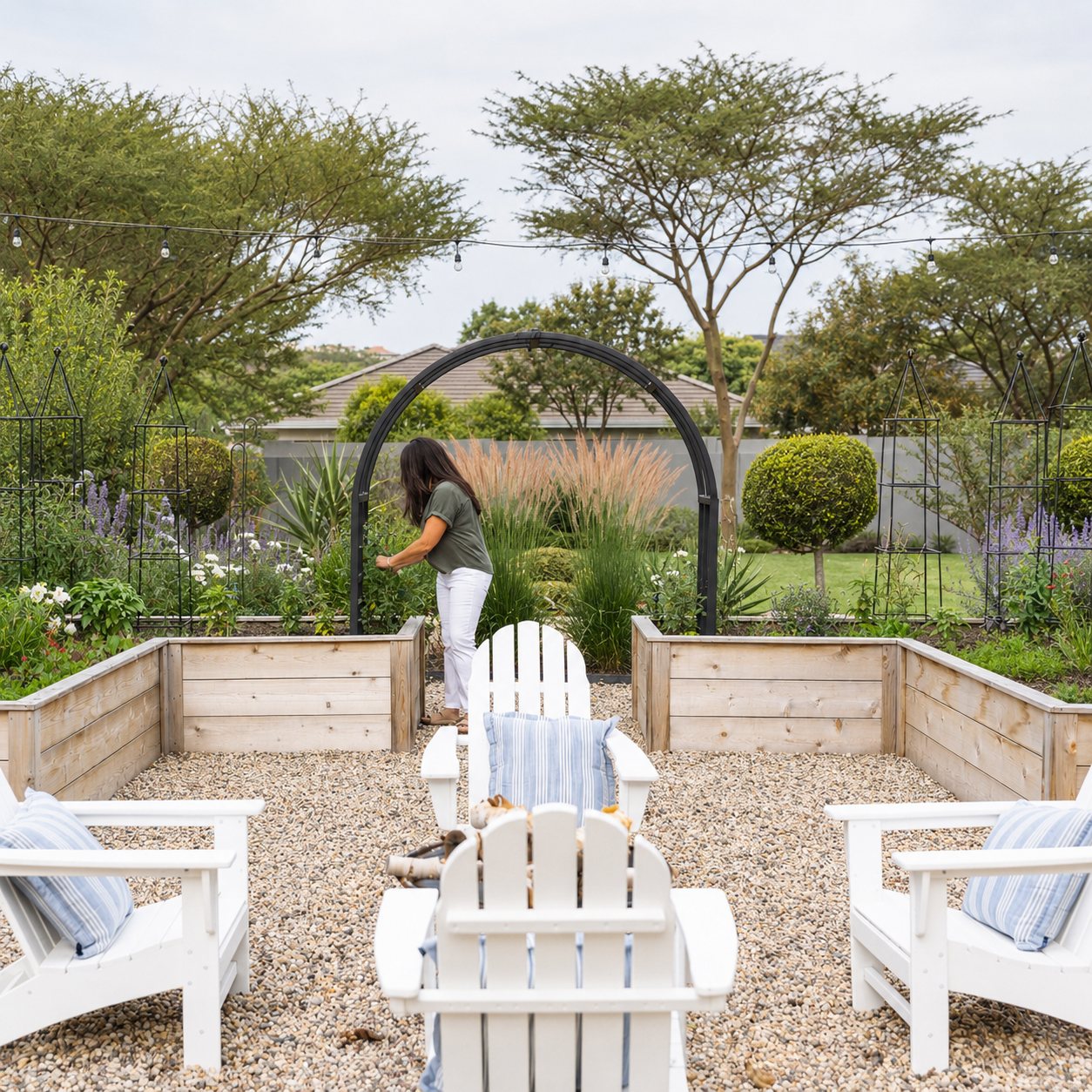
In all my years of designing vegetable gardens, here's what I keep coming back to: it matters what a garden looks like.
Yes, there are practical reasons to grow your own food — cost, freshness, control over what you eat. But the honest reason most gardens thrive or get abandoned comes down to something simpler. If you love how your garden looks, you'll go out there. Often. And a garden you visit often is a garden that gets tended, harvested and enjoyed.
Design it to be beautiful from the very first sketch, and it doesn't stay static — it becomes more beautiful with every season you spend in it.
And beauty has a purpose beyond the way it looks. A well-designed edible garden gives you a reason to step outside at the end of a long work day. It gives your hands something real to do, your mind somewhere quieter to land, and your home a living green space that changes with the seasons.
Benefits of Edible Gardens
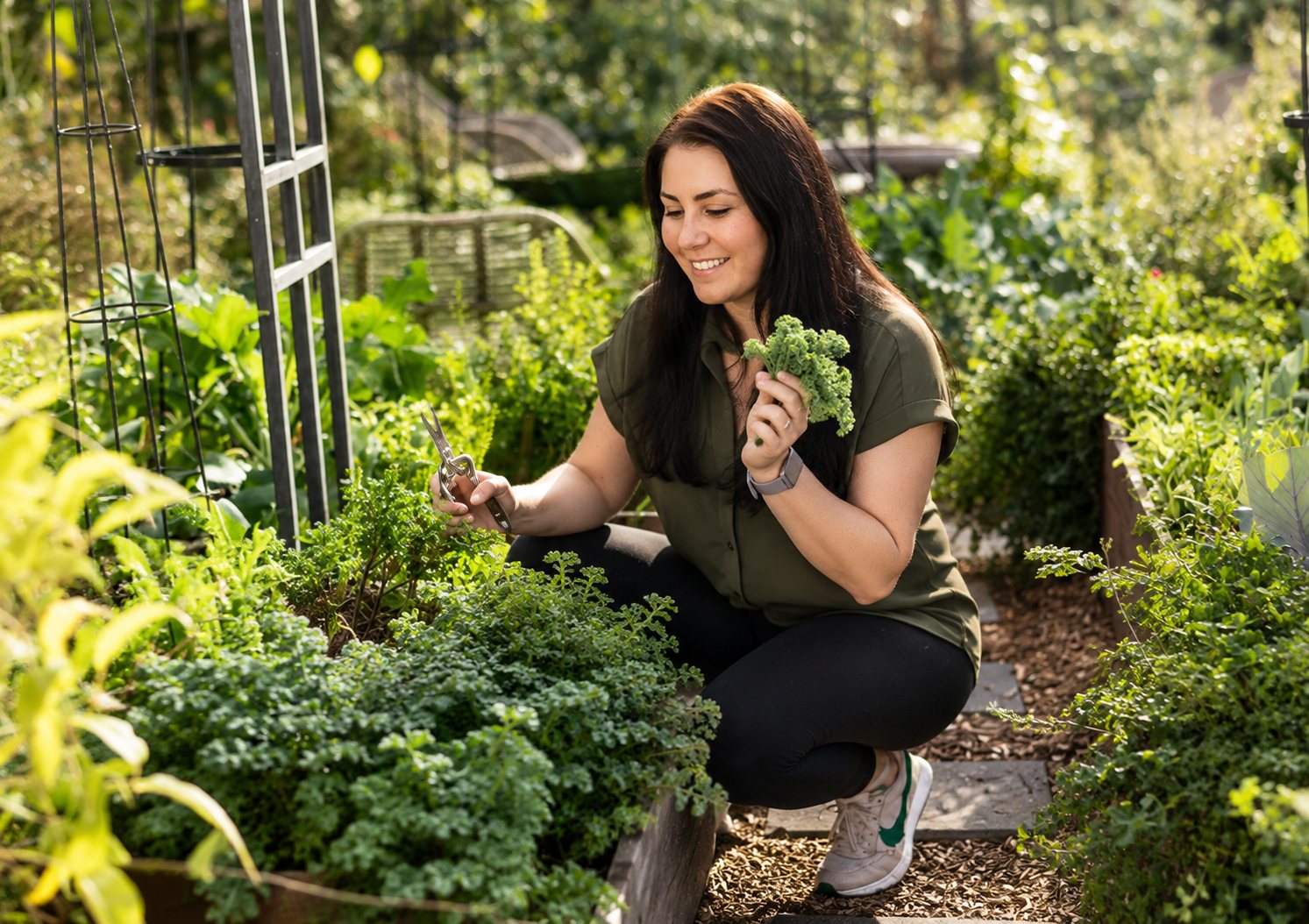
There is a particular kind of calm that comes from pruning herbs in the evening, picking something fresh for dinner, or noticing that something you planted has started to grow.
There are practical benefits too: fresher food, fewer food miles, better control over what goes into your body, and a stronger connection to what you eat and the land it’s grown in.
The deeper value is often in the ritual of it — being outside, slowing down, feeding your family from your own space, and creating a garden that supports your life instead of becoming another chore.
So before a single seed goes in the ground, I design the space the way a professional would: proportion, structure, sightlines, materials, flow. Then the planting happens inside that framework. That order matters more than people expect.
What I Design
Every edible garden design project starts with the same questions: what do you eat, what do you actually want to grow, and how do you want to feel when you’re standing in that space? From there, a design can include:
Some of my clients want a compact, tidy herb bed by the kitchen door. Others want a full working garden with paths, structure and fruit trees. In both cases, the goal is the same: a garden that feels considered, practical and worth spending time in.
Who is a Vegetable Garden Design For?
Edible gardens aren’t just about yield. They’re about living with your garden — the daily walk outside, the smell of herbs when you brush past them, the quiet confidence of knowing what’s in your soil, and the pride of feeding people from a place you’ve shaped.
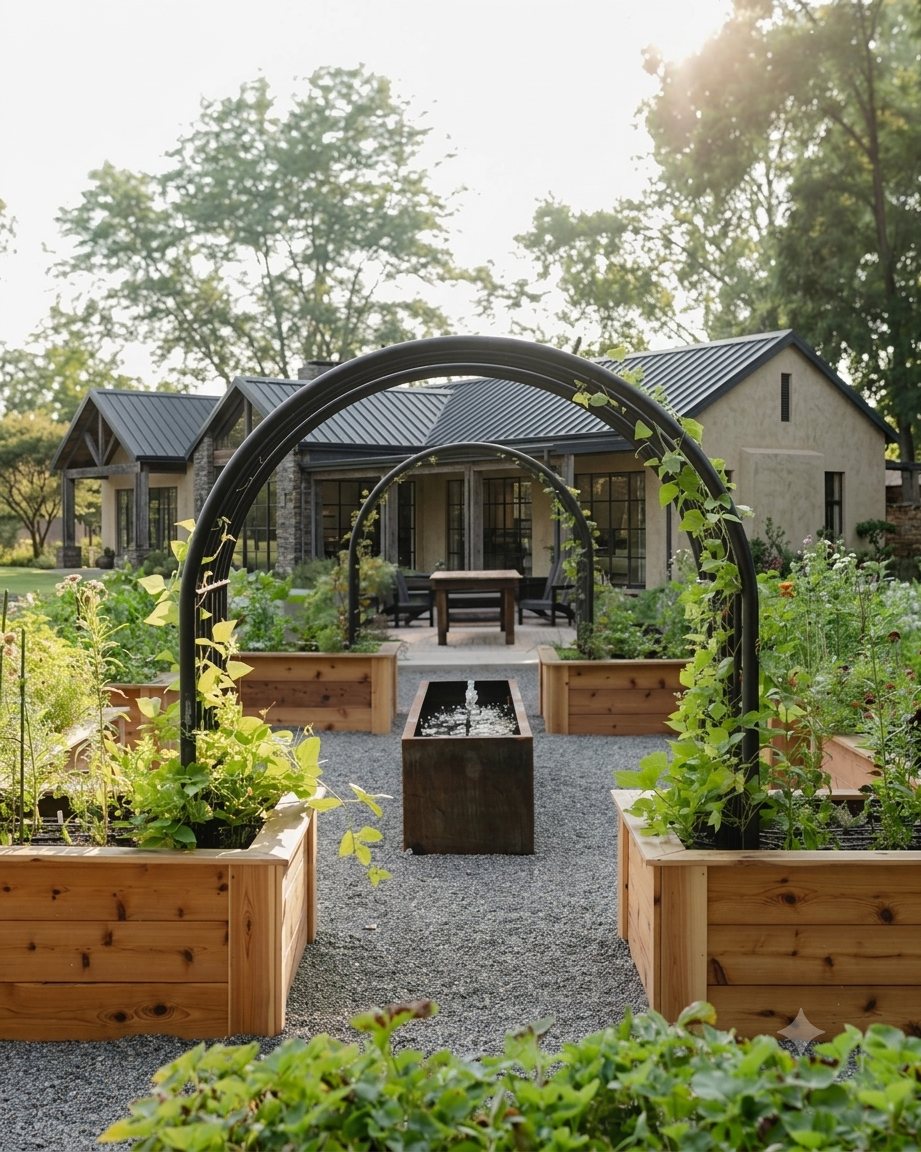
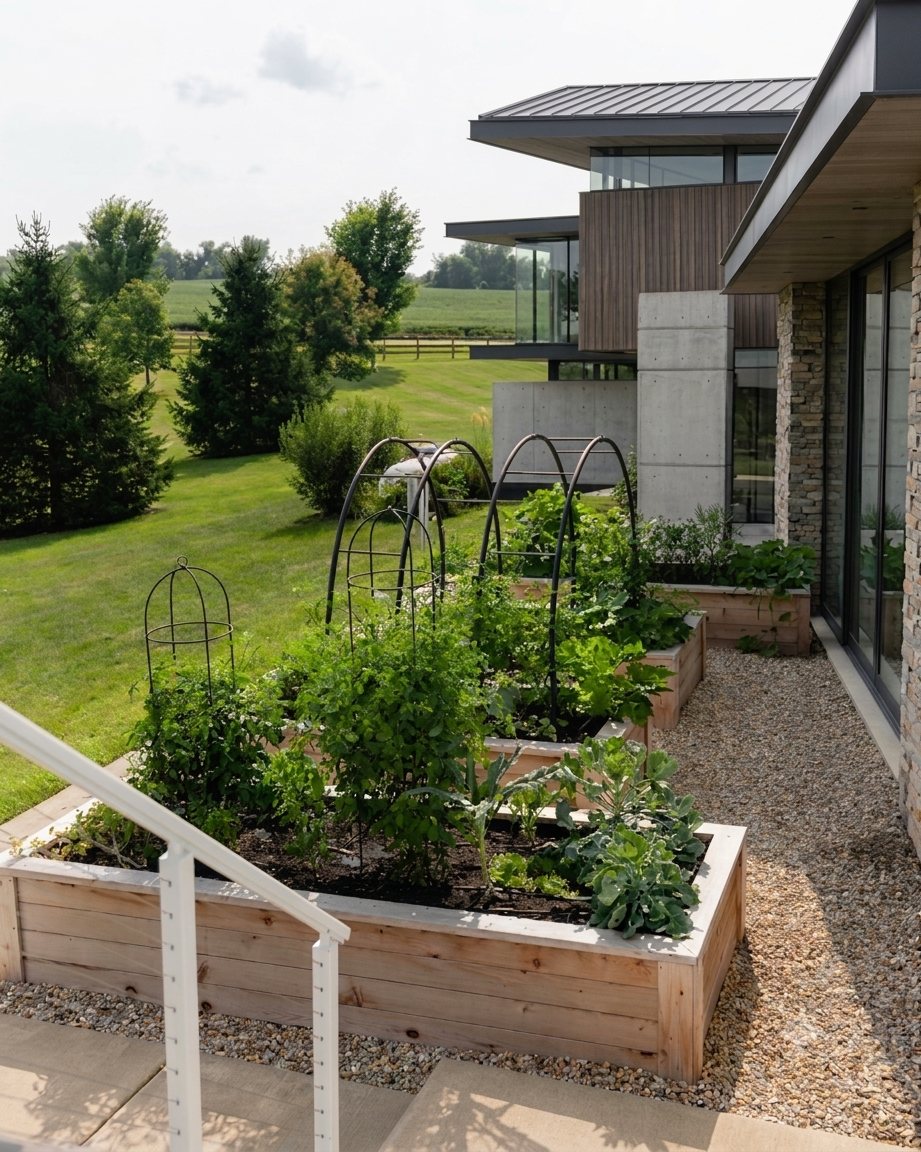
This is for homeowners who want a productive garden but refuse to settle for a patch of vegetables shoved into a leftover corner. It’s for homeowners who want a productive garden and a beautiful one — because the garden is part of your home, not a utility zone.
You might be:
How I Work
You tell me about your space, your household and what you'd love to grow.
Sun, soil, access, existing structures, and how you actually live in the space.
A clear layout, plant direction and visual concept — a garden on paper before it exists in the ground.
Take the design and run with it yourself, or ask me to see it through to a finished garden.
Edible gardens change with the seasons — I help with refreshes and successive planting.
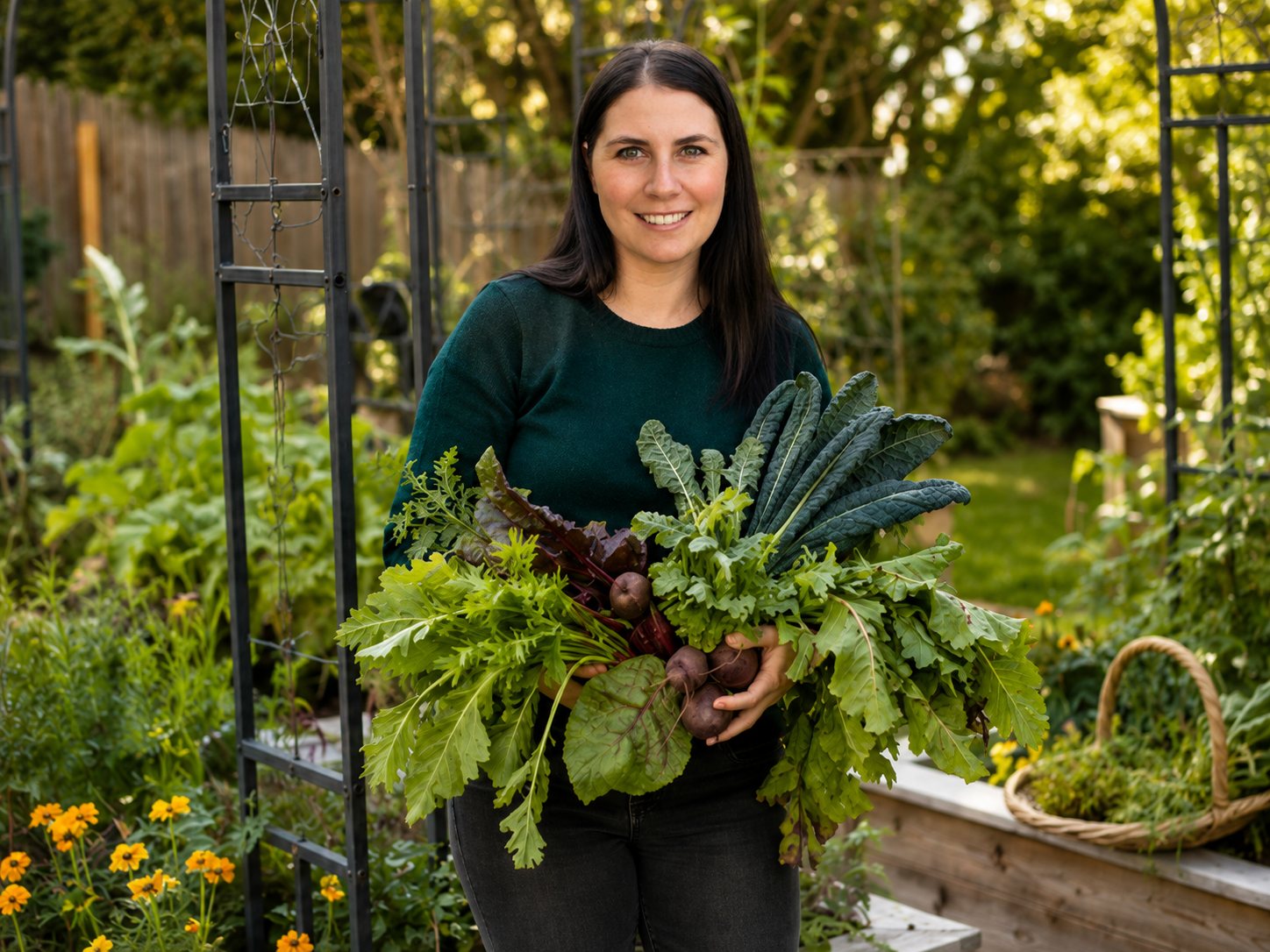
Your Food Garden Consultant
Garden Designer & Consultant
My experience comes from growing food myself and helping others shape edible gardens that feel practical, personal and beautiful. The thing I've never stopped believing is that a food garden doesn't have to look like an afterthought.
Lemonleaf Gardens is where I bring that belief to every project: gardens that are as considered as any other part of a well-designed home, and that happen to feed you too.
Garden Design Packages
Whether you want advice, a detailed garden plan or a complete installation, we can help you choose the right starting point.
Most projects start with a consultation with me, Melanie, where we'll talk through your space, budget, goals and what you'd actually like to harvest. From there, you can use the plan to build it yourself, or ask us to quote on installation.
A focused session to look at your space, talk through what you’d like to grow, and make sense of the practical details — sun, access, layout, soil and the best place to begin. We can also look at any existing food gardens you have and discuss how to improve, refresh or make them easier to manage.
From R950
EnquireA more detailed design for your edible garden, shaped around the way you live, cook and move through the space — with a clear layout for beds, paths, planting areas and garden structure.
From R3 000
EnquireOnce the design is approved, the garden can be brought to life for you — from the beds and soil preparation to planting, supports and the finishing touches that make the space feel complete.
Quoted per project
Enquire
FAQS
No. A good edible garden can be a single raised bed, a courtyard herb garden, a few containers, or a larger backyard food garden with paths, arches and fruit trees. The design starts with the space you actually have.
Yes. Small gardens still need proper placement, bed sizing, soil preparation and crop choices. Planning it first helps you avoid spending money on beds or plants that end up in the wrong spot.
Yes. You can book a consultation or design plan and use it with your own gardener, handyman or installation team. If you want us to quote on the build as well, we can discuss that after the design direction is clear.
Yes, depending on the project and location. Installation can include raised beds, soil preparation, planting, trellises, supports and the finishing details that make the garden feel properly designed.
Often, yes. Photos, rough measurements and a short video walkthrough are usually enough for early advice or a simple layout discussion. Some projects still need an in-person visit, especially where levels, access or installation details matter.
Photos of the space, rough measurements, notes on where the sun falls, your water points, your budget range and a list of crops your household actually uses are all helpful. You do not need a perfect plan before you enquire.
That does not always rule out an edible garden. We can help you identify the best-lit areas and choose crops that suit the conditions. Herbs and leafy greens are more forgiving than fruiting crops like tomatoes and peppers.
Let's Begin
Tell me about your space and what you'd like to grow. I'll help you work out what a well-designed edible garden could look like for your home.
Book a Design Consultation